Understanding the Longevity of Different Plumbing Materials: Making Informed Choices with Stuart's Plumbing Jul 15, 2026
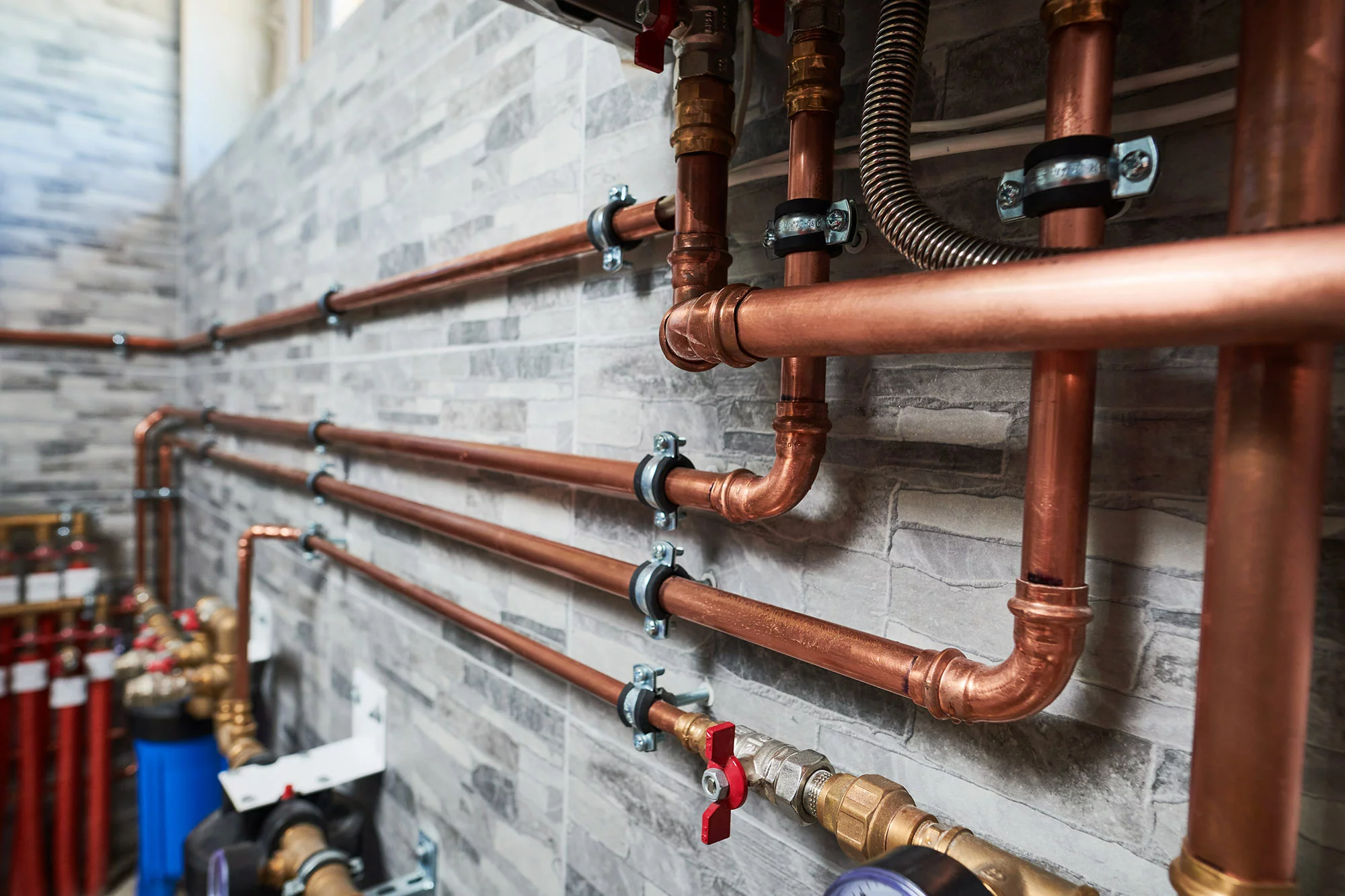
Copper has been used in plumbing for decades, and for good reason. Its durability and resistance to corrosion make it a favored choice among homeowners and professionals alike. On average, copper pipes can last between 50 to 70 years, given that they are maintained properly. They are also more environmentally friendly compared to synthetic materials, as they can be recycled. However, copper can be more expensive and may require professional installation due to its rigid structure.
Next, we have PEX piping, which has gained popularity in recent years. PEX, or cross-linked polyethylene, offers flexibility that can help reduce the number of connections needed, potentially lowering installation costs. With a lifespan of about 40-50 years, PEX is resistant to scale buildup and corrosion, making it a viable option for a long-lasting plumbing system. However, exposure to sunlight can degrade PEX pipes, so they should be used indoors or protected when installed outside.
With advancements in plumbing materials, many homeowners are turning to PVC (polyvinyl chloride) pipes for non-potable water applications such as drain lines and ventilation. Known for its lightweight nature and ease of installation, PVC can last indefinitely under the right conditions. However, it's not the best choice for hot water supply lines as it can degrade with heat over time.
Similarly, CPVC (chlorinated polyvinyl chloride) is another plastic piping material. CPVC can handle higher temperatures than PVC and is often used for hot and cold potable water distribution. This type of pipe typically lasts about 50 to 75 years. It's crucial to ensure CPVC is installed correctly to prevent leaks, given its susceptibility to certain chemicals.
Galvanized steel pipes were once popular, but they have largely fallen out of favor. While they have a lifespan of about 20 to 50 years, they tend to corrode and clog, significantly affecting water pressure and quality over time. Homeowners with galvanized steel plumbing should consider upgrading to modern materials like PEX or copper.
In conclusion, each plumbing material comes with its own set of advantages and limitations. Copper offers longevity and recyclability, while PEX provides flexibility and resistance to corrosion. PVC and CPVC serve specific functions but require mindful considerations during installation. The key is to match the material to your specific needs and budget. At Stuart's Plumbing, we are always ready to guide you through the process of selecting the best material for your home, ensuring that your plumbing system serves you efficiently for years to come. Whether you're embarking on a new installation or considering an upgrade, our team is equipped with the expertise to help you make the right choice.
/filters:no_upscale()/filters:format(webp)/media/b45f111b-184c-47df-94da-44b1347e2a46.webp)
/filters:no_upscale()/filters:format(webp)/media/71e17bb7-ae43-450f-9046-cb495719c0c4.jpeg)