How to Choose the Right Pipe Material for Your Home: Insights from Stuart's Plumbing Jan 21, 2026
To begin, it's essential to understand the primary factors you should consider when choosing pipe material. These include the specific application, whether indoors or outdoors, exposure to chemicals or extreme temperatures, budget constraints, and the overall lifespan of the material. By considering these elements, you can narrow down your options to those that best suit your plumbing project.
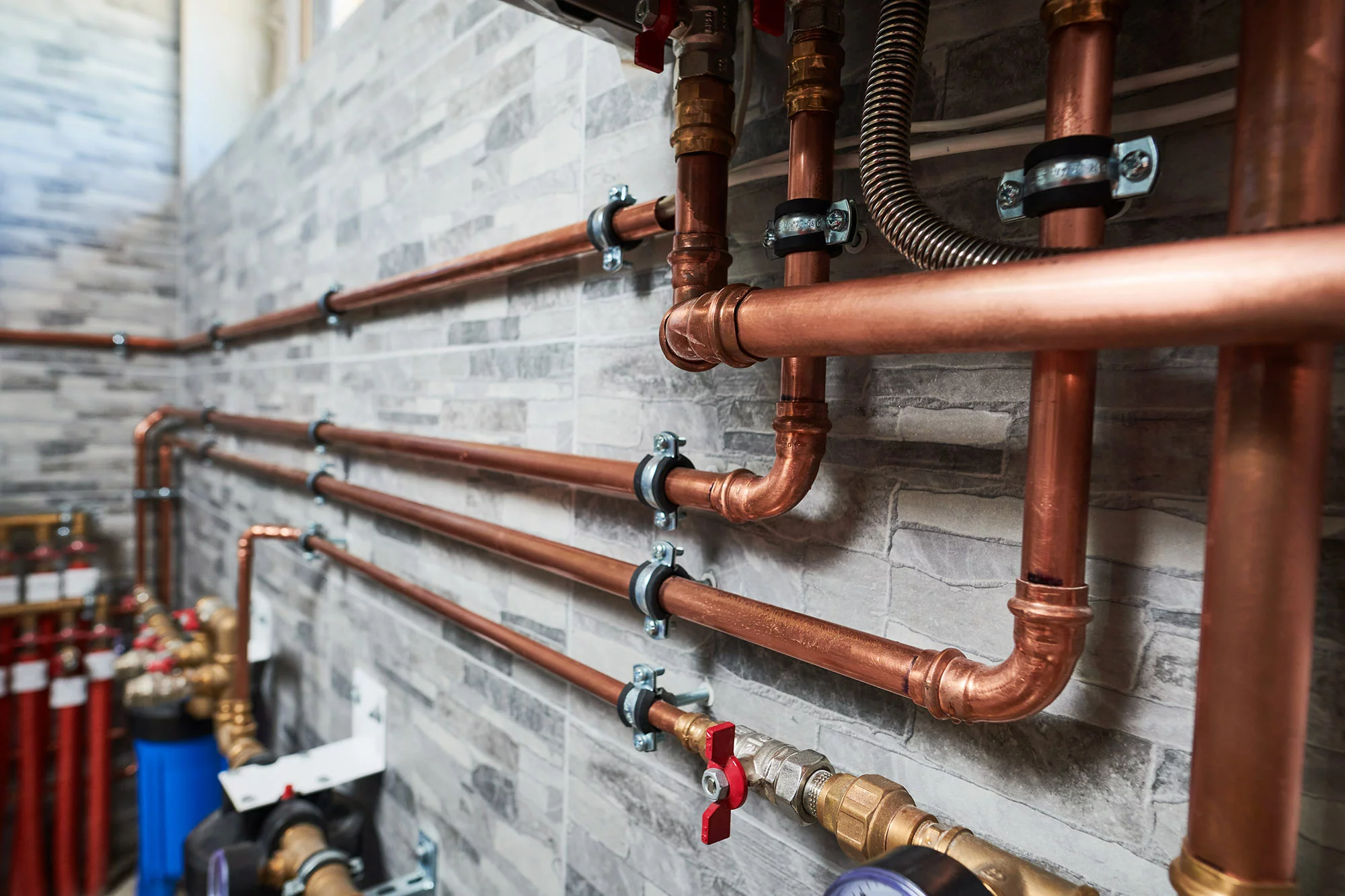
One of the most popular materials for residential plumbing is copper. Known for its durability and reliability, copper pipes resist corrosion, handle both hot and cold water, and offer a long lifespan. However, copper can be relatively expensive and might require professional installation. If your budget allows, copper is often a recommended choice for its proven track record and quality.
Another material that has gained popularity in recent years is PEX, or cross-linked polyethylene. PEX is favored for its flexibility, ease of installation, and cost-effectiveness. It is excellent for retrofit jobs and new construction alike, as it can snake easily through walls and ceilings. One of its key advantages is that it doesn’t require soldering, making DIY projects more manageable. PEX is highly resistant to scale and chlorine, but it should not be exposed to direct sunlight.
PVC (Polyvinyl Chloride) pipes are also commonly used, especially for waste lines and vent systems. These pipes are lightweight, easy to install, and very affordable. However, they are not suitable for hot water lines as they can warp under high temperatures. For cold water and drainage applications, PVC is a viable, low-cost option.
For applications that require extreme durability, such as outdoor uses or those involving harsh chemicals, CPVC (Chlorinated Polyvinyl Chloride) pipes might be the best choice. CPVC pipes can handle hotter water temperatures and higher pressures than regular PVC. They are also resistant to corrosion and chemical damage, offering an extended lifespan. Keep in mind that while CPVC pipes are more expensive than PVC, their enhanced properties justify the additional cost for many homeowners.
Lastly, galvanized steel pipes, which were once a staple in residential plumbing, are now less commonly used due to their susceptibility to rust and corrosion over time. However, they may still be found in older homes. If you're considering replacing old galvanized pipes, consulting with us at Stuart's Plumbing can provide insights into suitable modern alternatives.
In conclusion, selecting the right pipe material for your home involves considering various factors such as durability, cost, ease of installation, and suitability for the intended application. Stuart's Plumbing is committed to helping you navigate these choices to find the best solution for your home's unique needs. By understanding the benefits and limitations of each pipe material, you can make a sound decision that ensures your plumbing system's efficiency and reliability for years to come. Contact Stuart's Plumbing today for more professional advice tailored to your plumbing needs.
/filters:no_upscale()/filters:format(webp)/media/b45f111b-184c-47df-94da-44b1347e2a46.webp)
/filters:no_upscale()/filters:format(webp)/media/71e17bb7-ae43-450f-9046-cb495719c0c4.jpeg)