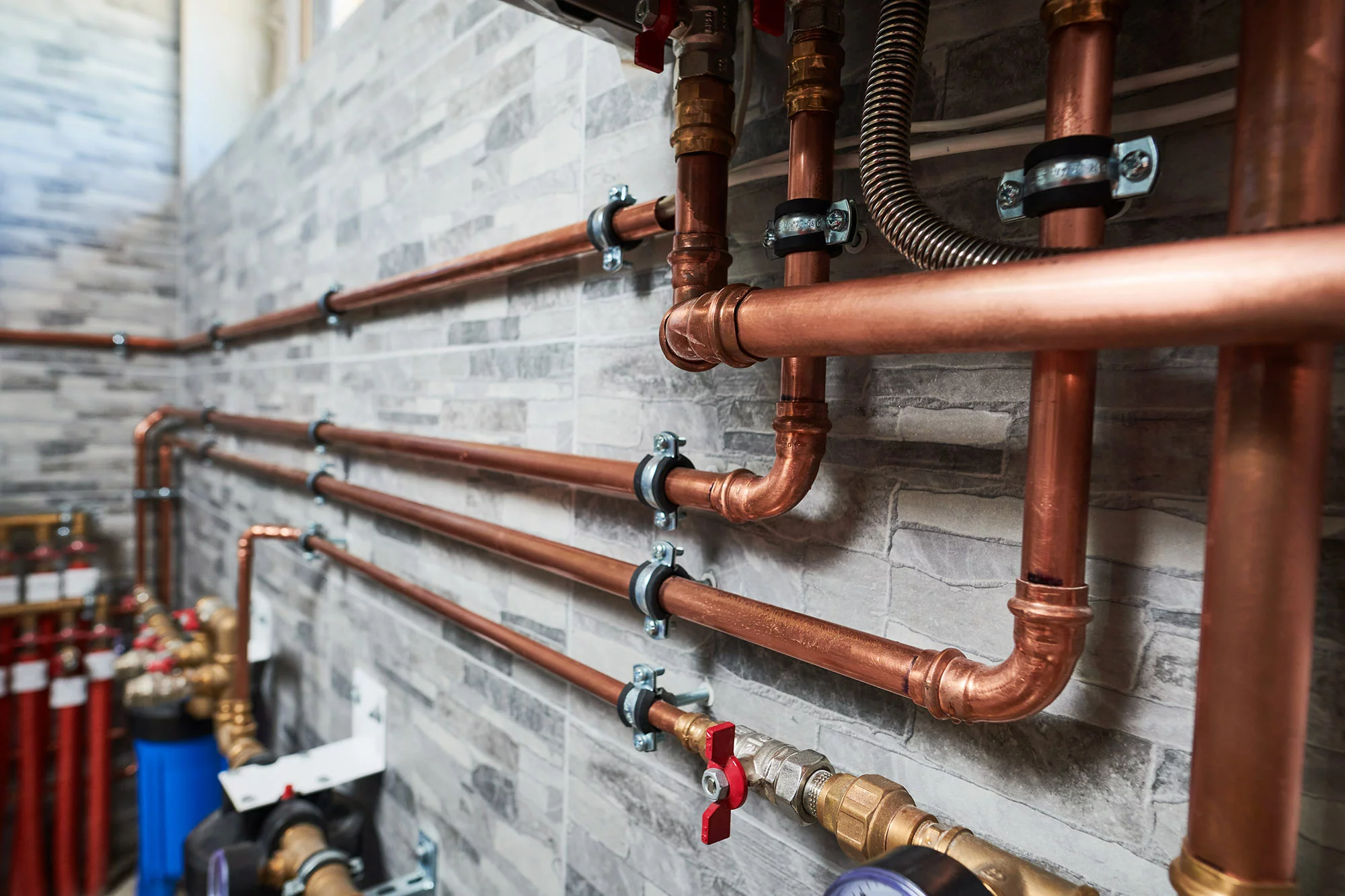
Enhancing Home Safety: Plumbing Practices to Prevent Leaks and Floods Apr 27, 2026
The foundation of a secure home plumbing system starts with regular inspections. By scheduling routine checks with a professional plumber, you can identify and address potential issues before they escalate into major problems. These inspections often reveal early signs of wear and tear, corrosion, or minor leaks that, if left unattended, can lead to substantial water damage.
Another crucial step is to monitor your water pressure. High water pressure might seem appealing for a strong shower but can place undue stress on pipelines, increasing the risk of leaks. Installing a pressure regulator is a simple solution that maintains water pressure at a safe level, prolonging the life of your pipes and fixtures.
The choice of materials used in your plumbing system also significantly impacts its longevity and safety. Opt for high-quality materials that are known for their durability and resilience under varying conditions. For instance, opting for PEX piping over traditional materials can offer better flexibility and freeze resistance, reducing the likelihood of burst pipes in colder seasons.
Consistently practicing proper waste disposal is another effective way to prevent plumbing issues. Refrain from pouring grease down the drain, as it can solidify and cause blockages over time. Similarly, be cautious about what you flush down the toilet. Products labeled as flushable often do not break down effectively, leading to stubborn clogs that could result in an overflow and water damage.
Educating your household members about these practices can help maintain a problem-free plumbing system. Simple modifications, such as using drain catchers, can prevent hair and other debris from entering and clogging your pipes. Encouraging everyone in your home to be mindful of water usage can also alleviate stress on your plumbing system, thereby extending its lifespan and efficiency.
In addition to these practices, investing in a smart home water detection system can be a game changer. These systems alert homeowners to water leaks in real-time, allowing for immediate action before a small leak morphs into a significant flood. They can be installed near water heaters, under sinks, and in basements to offer comprehensive coverage.
Lastly, having an action plan for emergencies is imperative. Familiarize yourself and your family members with the location of the main water shut-off valve. In the event of a major leak or burst pipe, shutting off the water supply can prevent further damage until professional help arrives.
At Stuart's Plumbing, our commitment extends beyond fixing leaks and unclogging drains. We are dedicated to providing advice and solutions that enhance the safety and reliability of your home’s plumbing system. By adopting these preventive measures, you can avert potential disasters and enjoy the comfort and security of a well-maintained home.
In conclusion, investing in preventive plumbing practices not only shields your home from leaks and floods but also saves you time, money, and concern over unexpected plumbing emergencies. By following these tips from Stuart’s Plumbing, you take a proactive stance in home safety and ensure the smooth functioning of your plumbing system for years to come.
/filters:no_upscale()/filters:format(webp)/media/b45f111b-184c-47df-94da-44b1347e2a46.webp)
/filters:no_upscale()/filters:format(webp)/media/71e17bb7-ae43-450f-9046-cb495719c0c4.jpeg)